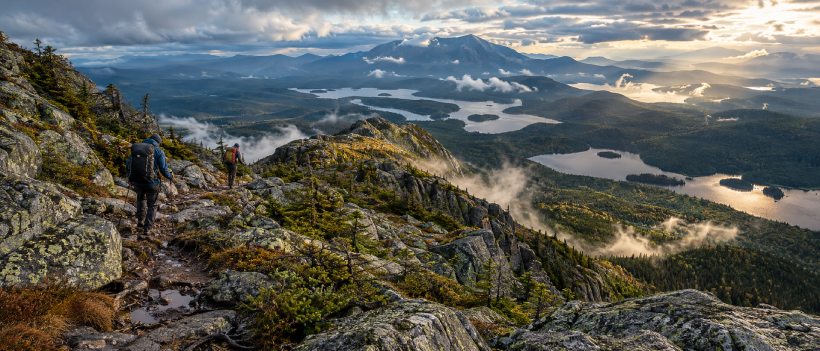
Maine represents the Appalachian Trail‘s most demanding stretch, and for many hikers, its most unforgettable. The A.T. – short for the Appalachian Trail – runs roughly 281 miles through the state, finishing at the remote summit of Mount Katahdin in the north. Rugged terrain, river crossings, and genuine wilderness define this section. This article covers the trail’s geography, its standout sections, what makes it so physically demanding, and the practical details hikers need before setting out.
Why Maine Is One of the A.T.’s Most Distinctive Sections
Few stretches of the Appalachian Trail test hikers quite like Maine. Covering roughly 281 miles at the trail’s northern end, this section combines genuine wilderness, relentless terrain, and slow going that catches many hikers off guard.
Mileage and Position on the Trail
Running from the New Hampshire border to Katahdin, Maine holds the final – and arguably hardest – miles of the entire 2,190-mile A.T. Hikers average slower daily mileage here than almost anywhere else on the trail.
Baxter State Park and Katahdin
Katahdin, rising 5,269 feet inside Baxter State Park, marks the trail’s northern terminus. For thru-hikers, reaching its summit is the finish line after months of walking.
The Hundred-Mile Wilderness
Stretching roughly 100 miles with no resupply towns, this remote corridor demands serious preparation. There’s no denying its reputation as the A.T.’s most isolated and unforgiving passage.
What Hikers See and Experience Along the Way
Maine’s 100-mile stretch rewards patience. The terrain shifts constantly, from boulder-choked ravines to glassy ponds and open ridgelines with views stretching into Canada on clear days.
Mahoosuc Notch
Widely considered the A.T.’s hardest mile, this narrow gorge near the New Hampshire border forces hikers to crawl beneath and squeeze between massive fallen boulders. It’s slow, physical, and genuinely unlike anything else on the trail.
Saddleback Range and Bigelow Preserve
Both areas offer exposed alpine ridgelines with little tree cover and sweeping western views. Bigelow’s twin peaks rise above 4,000 feet, and the open terrain means weather hits fast.
Lakes, Bogs, and Wildlife
Remote ponds and boggy stretches appear regularly through the Hundred-Mile Wilderness. Moose sightings are common, particularly near wetlands at dawn.
Difficulty, Timing, and Planning for a Maine A.T. Hike
Maine rewards preparation more than speed. The final 281 miles of the A.T. are consistently rated the most demanding stretch of the entire trail, and hikers who underestimate that often find themselves in trouble fast.
Terrain Difficulty
Expect relentless elevation changes, wet rock slabs, and extended bog sections. The Mahoosuc Notch – a mile-long boulder maze – can take experienced hikers two hours to cross. Roots, mud, and uneven footing are standard, not occasional.
Best Season
Late June through September offers the most reliable conditions. Blackflies peak in May and early June. Snow can return by October, particularly above 4,000 feet.
Resupply and Access
Towns are sparse. Hikers typically resupply at Rangeley, Caratunk, or Monson, with Monson serving as the last stop before the 100-Mile Wilderness.
Who Should Attempt It
Day hiking suits southern entry points near Grafton Notch. The 100-Mile Wilderness is thru-hiker and experienced section-hiker territory. Beginners should start small.
Maine Delivers the A.T. at Its Wildest
Few stretches of the Appalachian Trail test hikers the way Maine’s 281 miles do. The terrain is genuinely unforgiving – river fords, exposed ridgelines, and relentless mud make this the section most thru-hikers remember longest, for better or worse. Katahdin stands at the northern terminus as both a reward and a reckoning, a 5,267-foot summit that closes out a 2,190-mile journey with no gentle finale. This section suits experienced, well-prepared hikers who can handle true remoteness and shifting weather. There’s no denying its beauty is earned. For those willing to meet it on its own terms, Maine’s A.T. remains one of the most scenically raw and genuinely wild stretches on the entire trail.