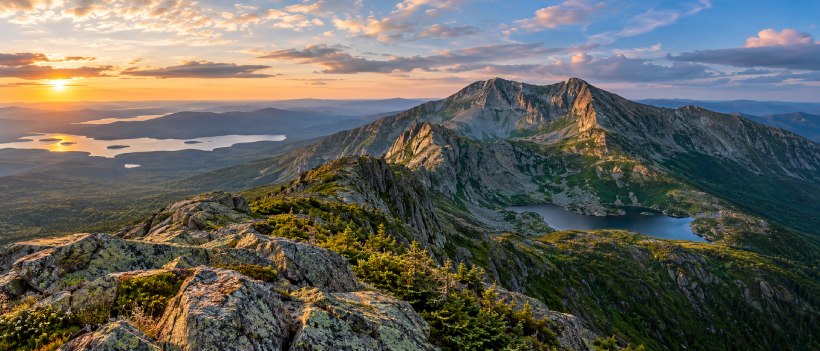
Maine’s mountains don’t just rise above the treeline – they define what the state is. Rugged, remote, and genuinely demanding, the highest peaks stretch across the western and northern regions, drawing hikers, photographers, and anyone curious about wild New England. This article moves from the tallest summit down through the peaks that shape Maine’s skyline, covering their elevations, locations, rankings, and what makes each one worth knowing about.
Mount Katahdin – Maine’s Tallest and Most Famous Peak
Rising 5,269 feet above sea level, Katahdin sits at the heart of Baxter State Park in north-central Maine. No other peak in the state comes close. Here’s a closer look at what makes it stand apart.
Elevation and Ranking
At 5,269 feet, Katahdin holds the top spot among all Maine summits. Its Baxter Peak is the highest point, edging out the rest of the state’s mountains by a significant margin.
Cultural and Historical Significance
Katahdin marks the northern terminus of the Appalachian Trail – 2,190 miles of footpath ending here. The Penobscot people considered it a sacred place long before any trail existed.
Trails and Summit Experience
Reaching the top is genuinely demanding. The Knife Edge ridge – a narrow rocky spine with steep drop-offs on both sides – draws experienced hikers and turns back many others. Weather shifts fast, and rangers take trail conditions seriously.
Other High Peaks in the Western Maine Mountains
Many of Maine’s next-highest summits cluster in the western part of the state, most of them part of the Longfellow Mountains. This rugged chain delivers serious elevation, remote terrain, and some of the finest ridge hiking in New England.
Mount Abraham
Standing at 4,049 feet, Mount Abraham ranks fifth in Maine. Located near Kingfield, its above-treeline summit offers sweeping 360-degree views that reward the long approach trail.
South Crocker Mountain
At 4,010 feet and sixth overall, South Crocker sits on a wild ridge near Carrabassett Valley, typically hiked alongside its taller neighbor, North Crocker.
Old Speck Mountain
Old Speck reaches 4,170 feet – Maine’s third highest – anchoring the Mahoosuc Range near Grafton Notch. It’s the northern terminus of the Appalachian Trail’s famously rugged Mahoosuc section.
North Brother
Remote and rarely crowded, North Brother rises to 4,143 feet in Baxter State Park, ranking fourth statewide.
Bigelow Mountain
The Bigelow massif tops out at 4,145 feet on West Peak. Its long exposed ridge above Flagstaff Lake is one of Maine’s most dramatic high-elevation walks.
Saddleback Mountain
Saddleback reaches 4,120 feet near Rangeley. The Appalachian Trail crosses its open, windswept summit, making it a favorite among thru-hikers.
These Peaks Show Why Maine’s Mountains Still Matter
Elevation numbers only tell part of the story. Maine’s highest summits shape something harder to quantify – the state’s identity, its outdoor culture, and the particular kind of wild beauty that draws hikers back year after year. Katahdin stands as the most recognizable symbol of that reputation, anchoring the northern end of the Appalachian Trail and carrying genuine emotional weight for the thousands who reach its summit each season. Yet the broader collection of high peaks surrounding it reinforces that Katahdin isn’t an outlier. These mountains, taken together, form a rugged skyline that feels earned rather than accidental. There’s no denying that for many visitors, seeing them on a map is the first step toward standing on one.